By Mike Rux · Published August 6, 2024 · Updated July 31, 2026
TL;DR
- LinkedIn is worth it for small businesses whose customers, partners, or hires are professionals, B2B services, commercial contractors, medical and legal practices. It’s rarely the lead engine, but it’s a strong trust engine.
- Keep perspective on organic social: SEO drives over 1,000% more traffic than organic social media (Ahrefs, citing BrightEdge). Search fills the pipeline; LinkedIn warms it.
- The workable cadence for a busy owner is 2–3 posts per week from one monthly “content pillar”, a guide or case study on your website that you slice into posts.
- Complete profiles win: real photo, specific headline, services listed, and consistent business info that matches your website and Google Business Profile.
- For events, create a LinkedIn Event page, post a weekly countdown, and have every teammate share it, that’s how we filled our own BYU–Idaho speaking events.
“Will LinkedIn play a major role in my business marketing?” We get this question from clients all the time, usually right after someone told them they have to be posting daily. The honest answer: it depends on who your customers are, and it works best when you treat LinkedIn as a trust channel, not a traffic channel. Here’s the system we actually recommend.
Is LinkedIn Worth It for Small Business?
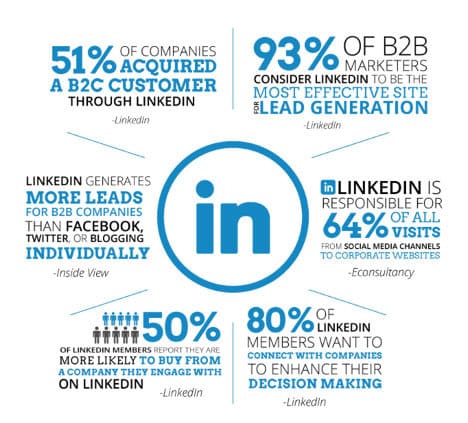
LinkedIn is worth it for small businesses that sell to other businesses, professionals, or referral partners, and for any business that recruits skilled staff. It builds credibility and relationships more than direct leads. If your customers are homeowners searching “plumber near me,” LinkedIn supports your reputation, but search should get your marketing budget first.
The data frames this well. SEO drives over 1,000% more traffic than organic social media (Ahrefs, citing BrightEdge), so social posting is a poor substitute for ranking when someone is actively looking for your service. But buying decisions aren’t made on traffic alone. People check who you are before they call, and your LinkedIn presence is often the first “who are these people?” result they see. One more useful caution from the research: upwards of 80% of users say a brand’s use of influencers doesn’t impact their purchase decision either way (study quoted in The Drum, cited by Search Engine Journal), authenticity from the actual owner and team outperforms borrowed audiences.
Our take after 15+ years working with Arizona businesses: LinkedIn closes loops that search opens. A commercial client finds you on Google, then checks LinkedIn to see if you’re real, current, and credible. Make sure what they find helps.
Set Up a Profile That Passes the Credibility Check
Your company page and your personal profile both need to be complete, current, and consistent with the rest of your web presence. An abandoned page with a 2019 logo does more harm than no page at all.
The checklist we run for clients:
- Complete and accurate profiles: logo, banner, specific “what we do and for whom” headline, services listed, city included.
- Consistent business details: same name, phone, and website as your site and Google Business Profile. Consistency is an entity signal search engines and AI systems both read.
- Connect with everyone relevant to your goals: customers, suppliers, chamber contacts, local peers. Warm network beats big network.
- Engage, don’t just broadcast: comment usefully on others’ posts; that’s where small accounts get seen.
- Join targeted groups in your space: local business groups and industry groups where your customers actually are.
How Often Should a Business Post on LinkedIn?
Post two to three times per week, consistently, rather than daily bursts you can’t sustain. Consistency over months beats intensity over weeks. If you have capacity for more, the ceiling that still respects your audience is about once per business day, but most small businesses get full value from a steady 2–3.
The trick that makes this sustainable is the content pillar system, and it’s the part of the original version of this post we still teach today: build one substantial piece of content per month on a platform you own, a guide, a case study, a detailed FAQ on your website, then slice it into a month of LinkedIn posts. One pillar becomes eight to twelve posts: a stat, a before/after, a lesson learned, a client question answered. Your website gets the SEO value; LinkedIn gets the visibility; you only do the hard thinking once. This is the same engine behind our content marketing service, and it’s why we tell clients their content pillars should live on their own site, those are digital assets you own, not rented reach.
What to post, in rough priority order:
- Proof: project photos, results, reviews (with permission).
- Answers: the questions customers ask you every week.
- People: team, hires, milestones. Faces outperform logos.
- Point of view: what you’d tell a customer to watch out for in your industry.
How Do I Market an Event on LinkedIn?
Market an event on LinkedIn by creating a LinkedIn Event page three to four weeks out, posting a weekly countdown with a concrete reason to attend, asking every teammate and speaker to share it, and inviting your connections directly. Afterward, post a recap with photos, the recap often outperforms the promotion.
We’ve used this playbook ourselves, it’s how our BYU–Idaho marketing career talk reached a full RSVP list. The sequence:
- Create the Event page with a specific title and clear “what you’ll get.”
- Week-by-week posts: announcement, speaker/agenda highlight, practical detail (time, parking, link), final call.
- Personal invites: a short direct message to the 20–30 connections who’d genuinely benefit beats blasting 500.
- Team amplification: employee posts reach different networks than company pages do.
- The recap: photos, one takeaway, thanks. This builds attendance for the next event.
Keep LinkedIn in Its Lane, and It Performs
LinkedIn business marketing works when you give it the right job: credibility, relationships, recruiting, and event fill, while search does the heavy lifting on lead generation. Two or three honest posts a week from a monthly pillar, a complete profile, and real engagement will put you ahead of most local competitors, who are either absent or on autopilot.
Want help building the pillar content that feeds it, or a broader plan that puts every channel in its lane? Our social media marketing team handles both. Book a free consultation, or keep reading on The Digital Climb.
Sources
- Ahrefs, “107 SEO Statistics for 2026,” citing BrightEdge, https://ahrefs.com/blog/seo-statistics/ (SEO vs organic social traffic)
- Study quoted in The Drum (2023), cited in Search Engine Journal’s “SEO in the Age of AI”, searchenginejournal.com (influencer impact on purchase decisions)